
Certificates of Title are No More!
23 March 2022 | Property
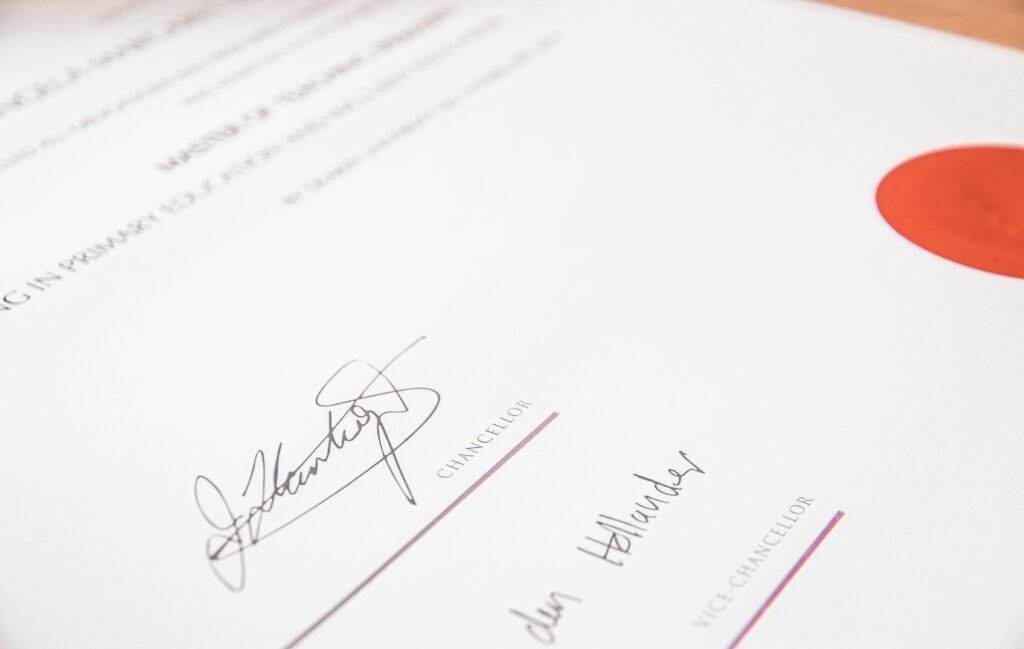
As of 11 October 2021, the NSW Land Registry Services and the Office of the Registrar General announced that owners of properties owned outright no longer receive paper Certificates of Title (CT) to their property. The Real Property Amendment (Certificate of Title) Act, 2021 was introduced allowing for the cancellation of CT’s and progressing of NSW to 100% electronic lodgement of land transactions.
What this means is that existing CT’s will be cancelled and CT’s will no longer be issued. In addition, existing CT’s cannot be required to be produced, where a dealing or plan is lodged for registration. Ownership information will now be centralised in the Torrens Title Register which will continue to be the sole source of ownership information of properties.
So what does this mean for current property owners?
i. Property owners who pay off their mortgage will not receive a CT;
ii. Landowners of unencumbered land who have a CT are not required to approach the LRS for confirmation that they own their properties;
iii. Existing CTs that have been issued will cease to be recognised as legal documents. The legality of ownership will be confirmed on the Torrens Title Register only;
ii. Purchasers who do not require a mortgage to buy a property will not receive a CT;
iii. When a Plan of Subdivision is registered and new parcels of land created, CT’s will no longer be issued for those parcels.
What this means for our clients
Where we hold your CT, you may wish to advise us as to the following:
- Whether you would like to collect your original CT. Please contact us to arrange for the collection of that document
- Whether you would like us to retain the original of your CT. If this is what you would like us to do, we will continue to hold it unless you contact us and advise otherwise.
If you have any questions or queries, please feel free to get in touch with Charlotte Saradetch on (02) 9518 3853.
The contents of this publication are for reference purposes only. This publication does not constitute legal advice and should not be relied upon as legal advice. Specific legal advice should always be sought separately before taking any action based on this publication.